Understanding Vehicle Ownership Transfer in India
By Nikhil Yelligetti · Saturday, 10 October 2026 at 11:30 am · 5 min read · 0 views
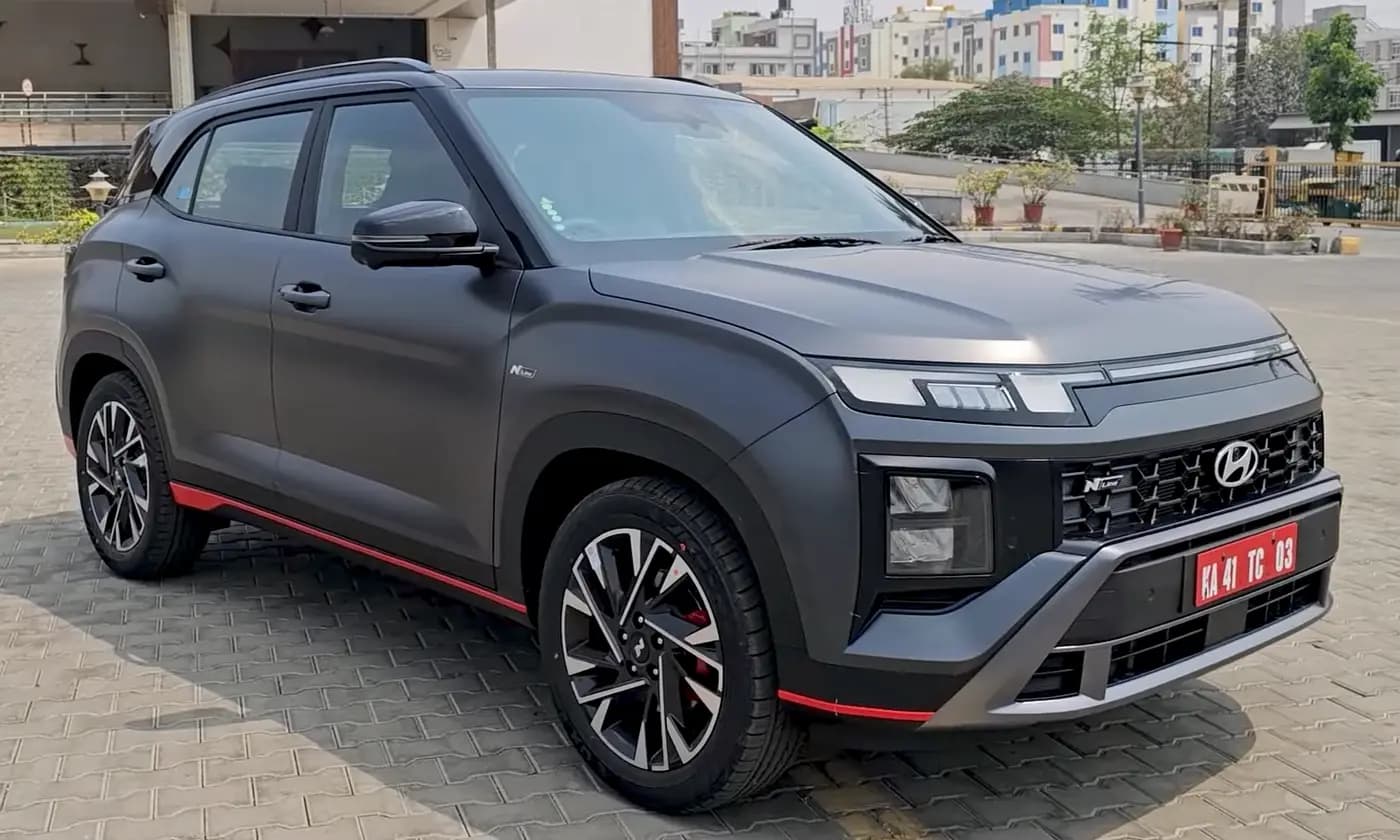
Learn about the essential steps and documents required for transferring vehicle ownership in India, ensuring a smooth transition for new owners.
Transferring vehicle ownership in India is a crucial process for both buyers and sellers, ensuring that the vehicle's registration details are updated in accordance with the law. This process is particularly important for residents of Mumbai, Navi Mumbai, Thane, Palghar, and Pune, where the vehicle population is significant, and adherence to regulatory norms is essential for smooth vehicle operations.
Steps to Transfer Ownership
The first step in the ownership transfer process involves the seller and buyer agreeing on the sale of the vehicle. Once this agreement is in place, both parties must gather the necessary documents required by the Regional Transport Office (RTO). This includes the original Registration Certificate (RC), a copy of the seller's and buyer's identification, and a No Objection Certificate (NOC) if the vehicle is financed. It is also essential to fill out the Form 29 and Form 30, which are crucial for the transfer process.
Required Documents
For a successful transfer of vehicle ownership, the following documents are typically required:
- Original Registration Certificate (RC)
- Form 29 and Form 30, duly filled
- Identity proof of both the seller and buyer
- Address proof of the buyer
- No Objection Certificate (NOC) from the financer, if applicable
- Insurance certificate
- Pollution Under Control (PUC) certificate
Fees Involved
While the fees for transferring ownership can vary by state and vehicle type, it is essential to check with the local RTO for the exact fee structure. Generally, the fees cover the processing of the application and updating the vehicle's registration details in the RTO database. For residents in urban areas like Mumbai and Pune, staying informed about these fees can help avoid any last-minute surprises during the transfer process.
Importance of Timely Transfer
Timely transfer of vehicle ownership is not just a legal requirement; it also protects both parties involved in the transaction. For the seller, it ensures that they are no longer liable for any traffic violations or taxes associated with the vehicle. For the buyer, it secures their legal rights over the vehicle, allowing them to operate it without any issues. Therefore, it is advisable to complete the transfer as soon as the sale is finalized.
Conclusion
Understanding the vehicle ownership transfer process in India is essential for both buyers and sellers. By following the outlined steps and ensuring all necessary documents are in order, individuals can facilitate a smooth transition of ownership. For more detailed information, you can refer to the original article on Autocar India.
What to check
- Ensure all required documents are ready before visiting the RTO.
- Verify the identity and address proof of the buyer.
- Check if the vehicle has any pending loans or dues.
- Confirm the fees associated with the transfer at your local RTO.
- Make sure the vehicle has a valid insurance and PUC certificate.