CAQM Panel Suggests New Emission Control Measures in Delhi
By Nikhil Yelligetti · Sunday, 11 October 2026 at 11:00 am · 5 min read · 0 views
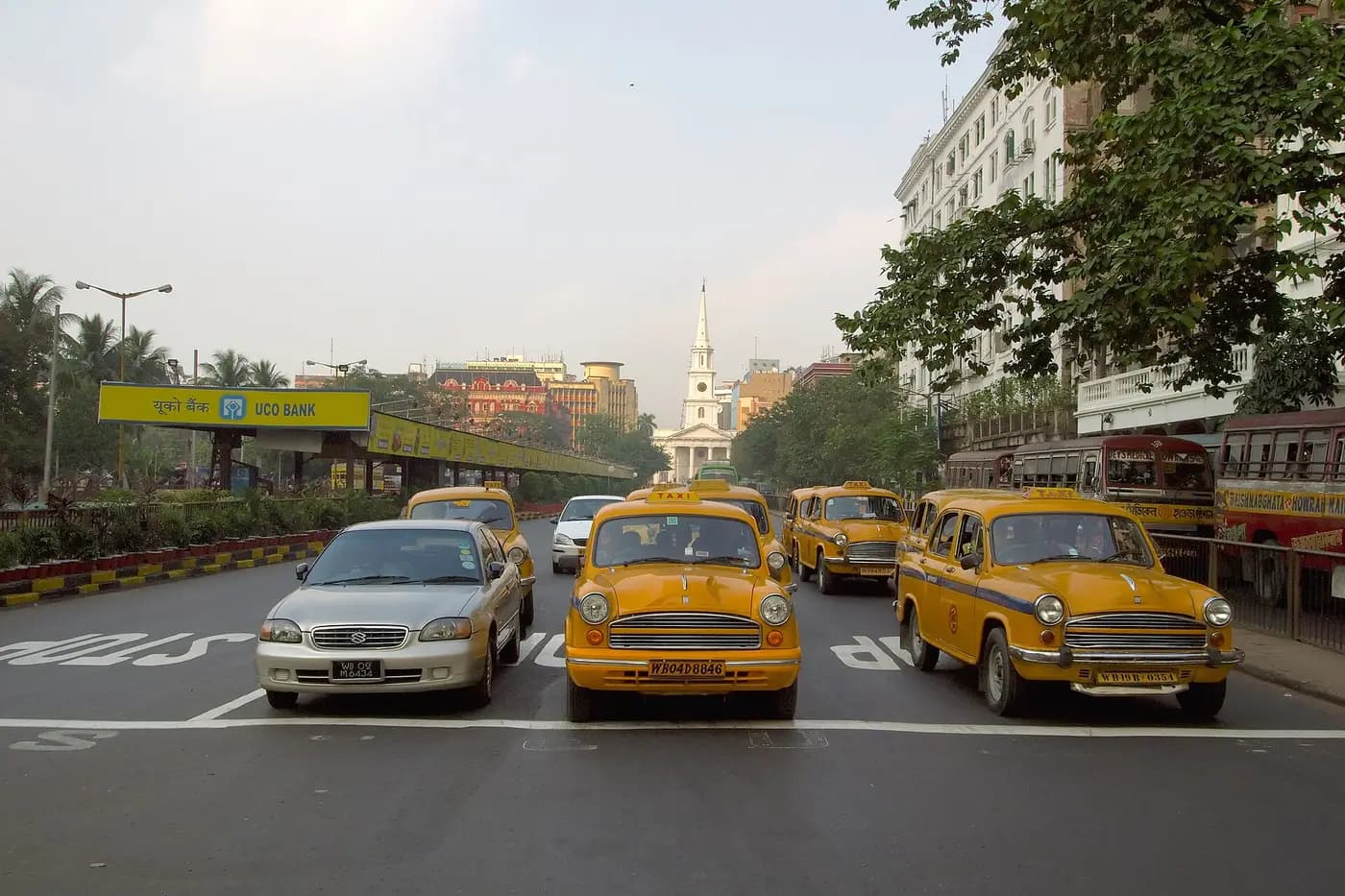
The CAQM has proposed the introduction of car cabin filters and roadside emission checks to combat pollution in Delhi. This initiative aims to improve air quality and may influence vehicle regulations in nearby regions such as Mumbai and Pune.
In a bid to tackle the persistent issue of air pollution in Delhi, the Commission for Air Quality Management (CAQM) has put forward a proposal to implement new measures aimed at reducing vehicular emissions. Among these measures are the introduction of car cabin filters and the establishment of roadside emission checks. This initiative is part of a broader strategy to enhance air quality in the National Capital Region (NCR), which includes areas like Mumbai, Navi Mumbai, Thane, Palghar, and Pune.
Impact of Cabin Filters on Vehicle Owners
The proposed car cabin filters are designed to improve the quality of air inside vehicles by filtering out harmful pollutants. For car owners, this means a healthier driving environment, especially in urban areas where pollution levels can be high. The implementation of such filters could also lead to a shift in consumer preferences, with more drivers seeking vehicles equipped with advanced air filtration systems. This trend may influence car manufacturers to prioritize the development and integration of these technologies in their models.
Roadside Emission Checks: A Step Towards Accountability
The introduction of roadside emission checks aims to ensure that vehicles on the road comply with environmental standards. This measure will likely hold vehicle owners accountable for their emissions, encouraging them to maintain their vehicles properly. For residents of Mumbai, Navi Mumbai, Thane, Palghar, and Pune, this could mean more stringent checks and potential penalties for non-compliance, which may lead to an increase in demand for regular vehicle servicing and maintenance to meet emission standards.
Potential Influence on Regional Policies
While the CAQM's proposals are focused on Delhi, their implications could extend to neighboring regions. As cities like Mumbai and Pune grapple with their own air quality challenges, local governments may look to adopt similar measures to curb pollution. This could lead to a harmonization of vehicle regulations across the NCR, affecting how vehicles are manufactured, sold, and maintained in these areas.
Consumer Awareness and Adaptation
As these changes unfold, consumer awareness will be crucial. Vehicle owners will need to stay informed about new regulations and adapt accordingly. This may involve investing in vehicles with better emission control technologies or ensuring that existing vehicles are compliant with the latest standards. Additionally, electric vehicle adoption may see a boost as consumers look for greener alternatives in response to stricter emission regulations.
Conclusion
The CAQM's proposals for car cabin filters and roadside emission checks represent a significant step toward improving air quality in the NCR. For car and electric scooter owners in Mumbai, Navi Mumbai, Thane, Palghar, and Pune, these measures could lead to changes in vehicle maintenance practices and consumer preferences. Staying informed and proactive will be essential as these initiatives develop.
Source: Business Standard.