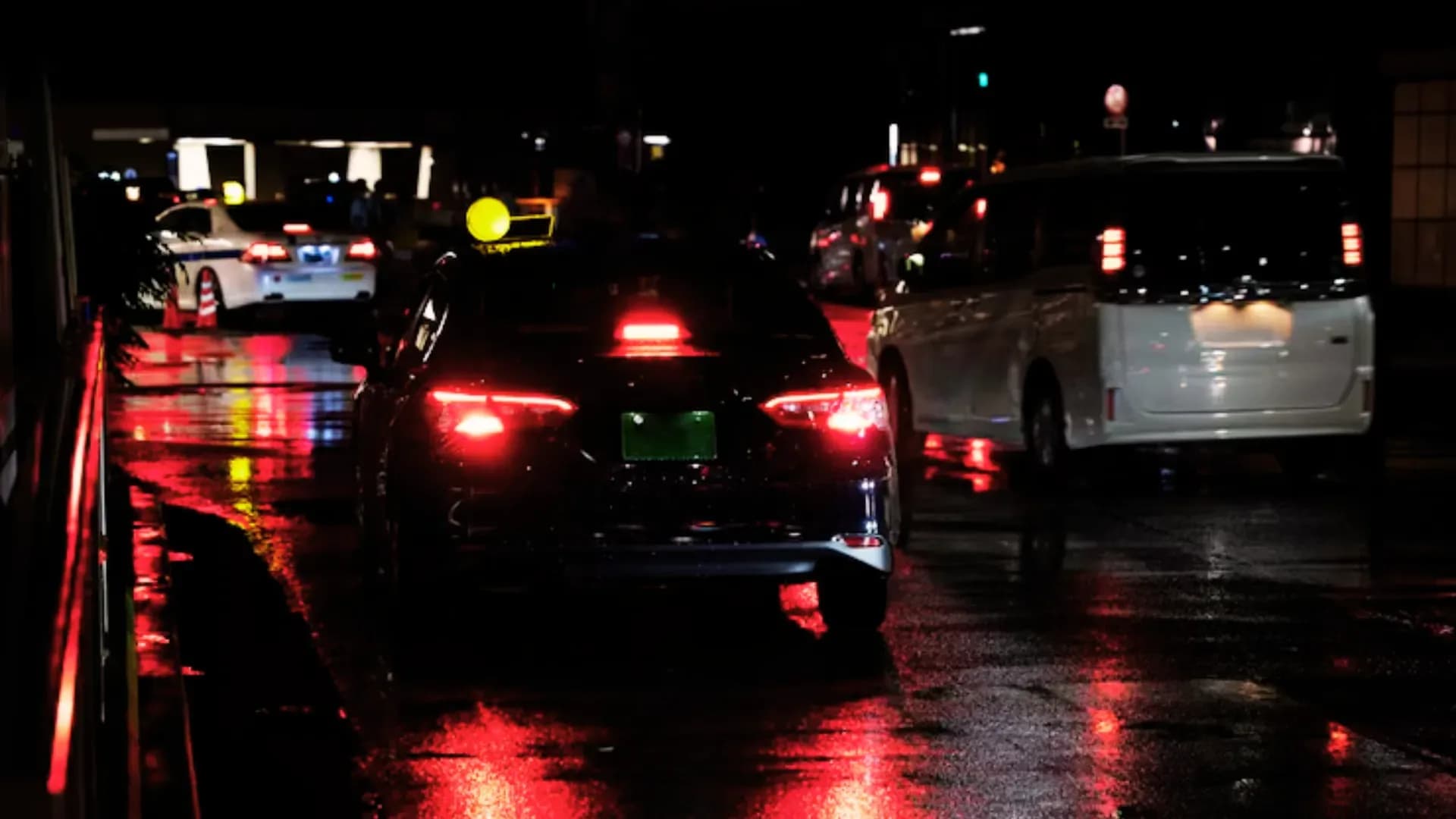
The monsoon season in India, especially in metro cities like Mumbai, brings much-needed relief from the scorching heat, but also a wave of driving difficulties.
Waterlogged roads, fogged-up windshields, and reduced visibility are common risks that drivers must navigate. One crucial aspect that often gets overlooked is vehicle lighting.
Whether you're commuting daily or taking weekend road trips, a well-functioning lighting system can be the difference between safety and danger. That’s why at MyFNG Mumbai, we believe in educating drivers about the lighting essentials for monsoon driving.
In this guide, we’ll cover how proper car lights, including fog lights, headlights, and tail lights, can improve visibility and ensure safety during rainy drives.
Table of Contents
Why Lighting Matters in Monsoon Driving
Poor visibility during monsoons is responsible for nearly 40% of road accidents in India (Source: MoRTH, 2022). Heavy rain and fog create a whiteout effect, especially at night or early morning, which even the best drivers can struggle with. Using your lights effectively, at the right time and in the right way, can save lives.
As a trusted car repair service aggregator in Mumbai, MyFNG Car Repair Service Mumbai sees countless monsoon-related vehicle issues, and faulty lights are among the most common. Investing time in understanding your vehicle's lighting system is a proactive safety step.
Types of Car Lights and Their Role in Monsoon Safety
To tackle fog, heavy showers, and gloomy skies, you need to understand the purpose of each light on your car:
1) Headlights:
Headlights are your primary source of visibility. In monsoons:
Use low beams, not high beams. High beams reflect off water droplets and fog, creating glare that can blind you and oncoming drivers.
Ensure your headlights are clean, well-aligned, and moisture-free.
If you're unsure whether your car's headlamps are properly aligned, visit your nearest MyFNG Car Repair Service Mumbai center for a quick check.
2) Fog Lights:
As the name suggests, these lights are specifically for fog and heavy rain:
Positioned low, fog lights illuminate the road surface without reflecting off fog or rain.
Use only when visibility is severely reduced (less than 100 meters).
Turn them off once conditions improve, they can blind other drivers if used unnecessarily.
Many users who visited MyFNG Car Repair Service aggregators weren’t even aware if their fog lights worked until it’s too late. Don't be one of them, have them tested before the rains hit.
3) Tail Lights and Brake Lights:
These lights let the driver behind you know where you are, and when you're stopping:
Bright and visible tail lights prevent rear-end collisions.
Brake lights should flash instantly and brightly, have them checked periodically.
Whether you're driving in Mumbai traffic or cruising on the expressway, working tail lights are your silent lifesavers.
4) Turn Indicators:
In conditions of low visibility, clear turn signals are essential:
Signal well in advance when turning or changing lanes.
Always replace broken indicators immediately. A single miscommunication can cause an accident in monsoon traffic.
If your indicators flicker or blink erratically, it’s likely an issue with the wiring, a quick fix with help from MyFNG Car Repair Services in Mumbai.
5) Daytime Running Lights (DRLs):
Many modern vehicles come equipped with DRLs, which improve visibility during daytime driving in overcast conditions:
They are not substitutes for headlights or fog lights but enhance your car’s visibility to others.
Comments